About Me
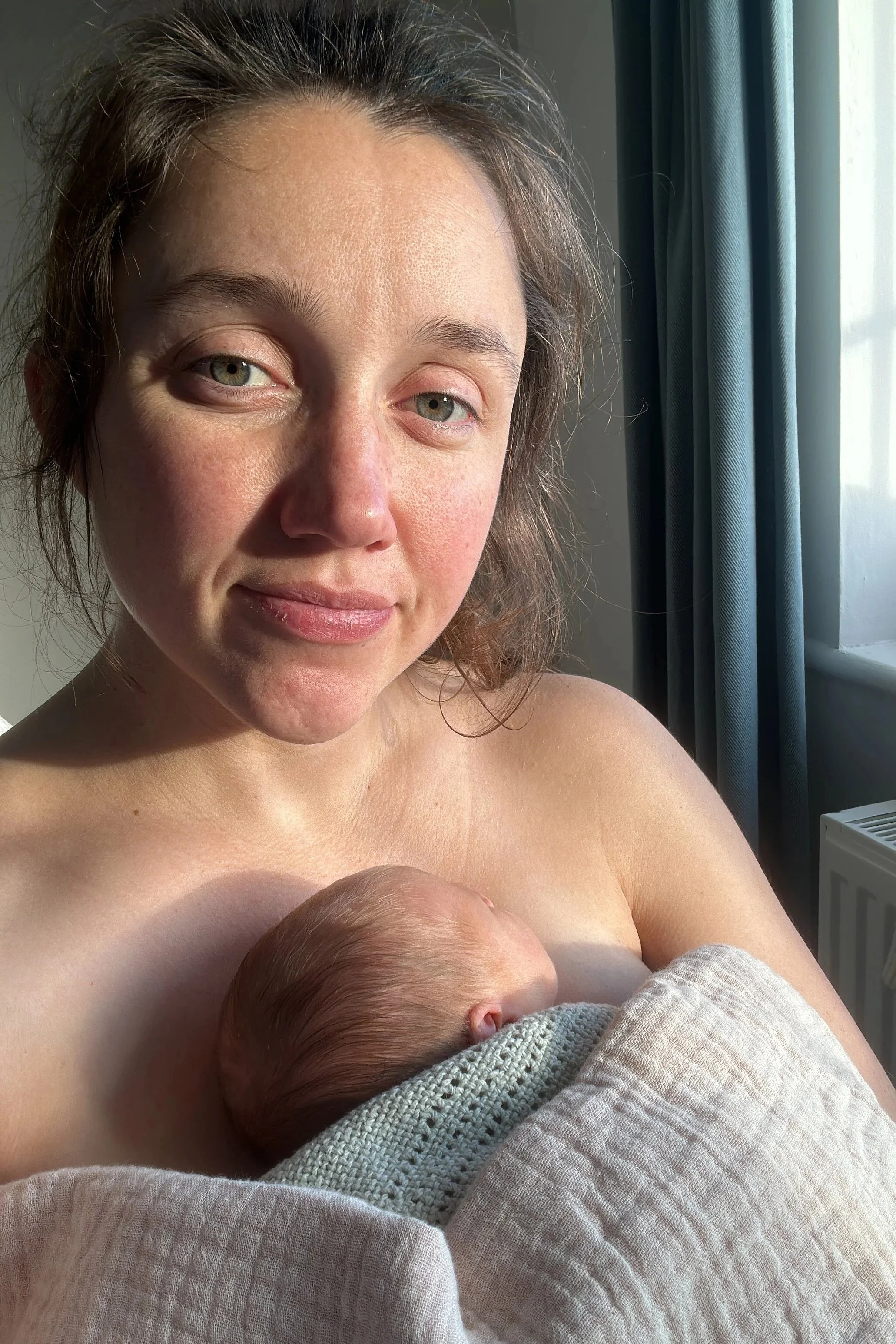
Pregnancy, birth, and the early weeks of motherhood can bring some of the most extraordinary moments of your life. While there is so much joy along the journey, I know first hand how it can also be deeply overwhelming.
I have worked as a nursing assistant for children with complex disabilities, and I currently work in pregnancy research communications, so I felt really confident during my pregnancy and going into birth. The 9 months were straightforward, but my birthing experience ended up being complicated. I had to advocate and stand up for the experience and care I knew I deserved.
I then found myself entirely lost in early postpartum. I struggled to breastfeed, which I deeply wanted to, and I felt like all the other mums knew something I didn’t. I felt like I was failing. I was fortunate enough to have the support of a doula overnight during these first intense weeks, and I cannot thank her enough - she really helped turn early motherhood around for me.
Later during my maternity leave, I began supporting pregnant friends, helping to signpost to information and resources as they prepared for their births, holding space for their questions and worries. The joy I felt in being able to provide this calm reassurance, rooted in the best available evidence, gave me something I didn’t know I had been missing. I realised that I was already doula-ing and I loved it!
All of these experiences ignited a fire in me. I am so passionate about helping all women and birthing people have positive pregnancy, birth and postpartum experiences, because we really do deserve them. And we were never meant to do this alone.
I have in-depth knowledge of the pregnancy research space, NHS policy and practice, and experience of supporting families with baby loss and in pregnancy after loss. I’ll provide holistic, evidence-based, practical support to you and your family as you embark on this incredible journey into parenthood.
About Birth & Postnatal Doulas
~
About Birth & Postnatal Doulas ~
Frequently Asked Questions
-
A doula is a trained non-medical professional who provides continuous physical, emotional and informational support to a person before, during and after birth. Unlike doctors and midwives, your doula is there just for you. They focus on comforting and supporting you, providing practical information to help you make informed decisions. They may help you advocate for yourself, and signpost to information that could help you during pregnancy and birth. They can also support new mothers to transition into life with their new baby.
-
A good way to understand the different roles of a midwife compared to a doula, is that midwives prepare to catch the baby, while doulas are there to hold you during your pregnancy and birth. Midwives are also employed by the healthcare system, while your doula is employed by you. They are there to provide you with the emotional, physical and practical support you need - you are their sole priority.
-
Some doulas will just provide antenatal and birth support, helping you to prepare for your pregnancy and birth, staying with you either physically or virtually during labour. Some doulas will only provide support during your postnatal period, offering practical and emotional support as you navigate life with your baby earth side. Some doulas do both, some do batch cooking, cleaning, yoga, massage - there really is a doula for everyone!
-
In the past, women and birthing people could expect to have healthcare professionals throughout their birth, in many cases the same person or team. This is called continuous support, and unfortunately it does not always happen in our current NHS system.
This is where doulas come in. Research has shown that women and birthing people who received continuous labour support may be more likely to give birth 'spontaneously', i.e. give birth vaginally with neither ventouse, forceps nor caesarean. In addition, women may be less likely to use pain medications or to have a caesarean birth, and may be more likely to be satisfied and have shorter labours [1].
Other research shows that continuous support, like that from a doula, can decrease the likelihood of premature birth and low birth weight, and that doula support is especially effective in reducing health inequities for Black women and birthing people. There have also been no adverse outcomes identified in continuous support [2].
[1]: https://pubmed.ncbi.nlm.nih.gov/36786720/
[2]: https://www.cochrane.org/evidence/CD003766_continuous-support-women-during-childbirth